The panel schedule is where electrical bids leak margin. A quick discipline for catching what the branch takeoff misses.
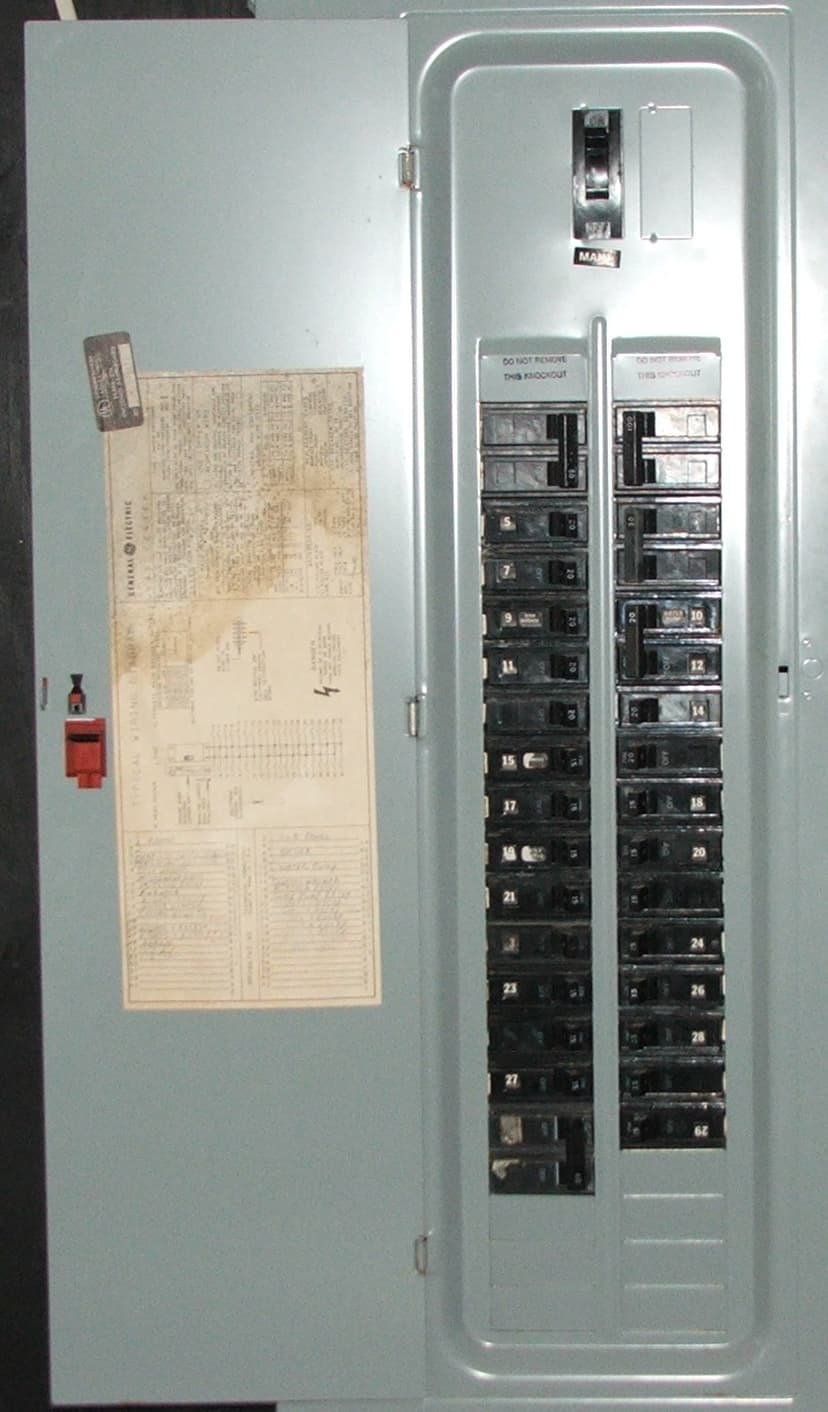
On an electrical bid, the branch wiring gets all the attention and the panel schedule gets a glance. That is backwards. The schedule is where the expensive mistakes hide.
Start at the schedule, not the plan
Before counting a single device, read the panel schedules and the one-line together. They tell you the gear, the feeders, and the loads the branch work has to support. Miss a subpanel here and no amount of careful device counting saves the number.
What to check
Run the same short list on every schedule:
- Every panel on the one-line has a schedule, and vice versa
- Feeder sizes match between the schedule and the one-line
- Spare and space breakers are accounted for, not ignored
- Long-lead gear is flagged for procurement
- Loads reconcile with the connected equipment
Feeders are real money
Feeder conduit and conductor runs carry serious material and labor, and they are easy to under-run when you estimate them off a plan instead of the schedule. Take the feeders from the schedule and the one-line, measure the runs against the drawing, and price the wire current. Copper moves.
The payoff
An electrical estimate that starts at the schedule catches the gear and the feeders first, then fills in the branch work. Do it the other way and you find the missing subpanel after you have already submitted.